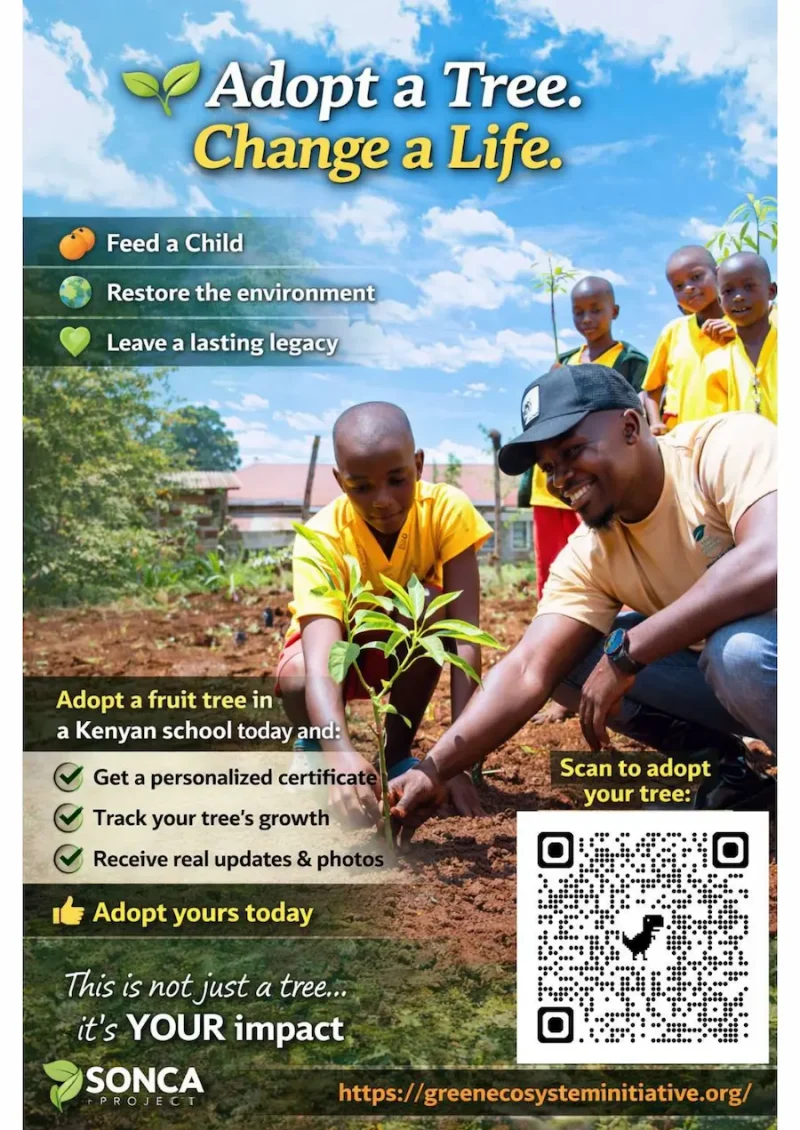
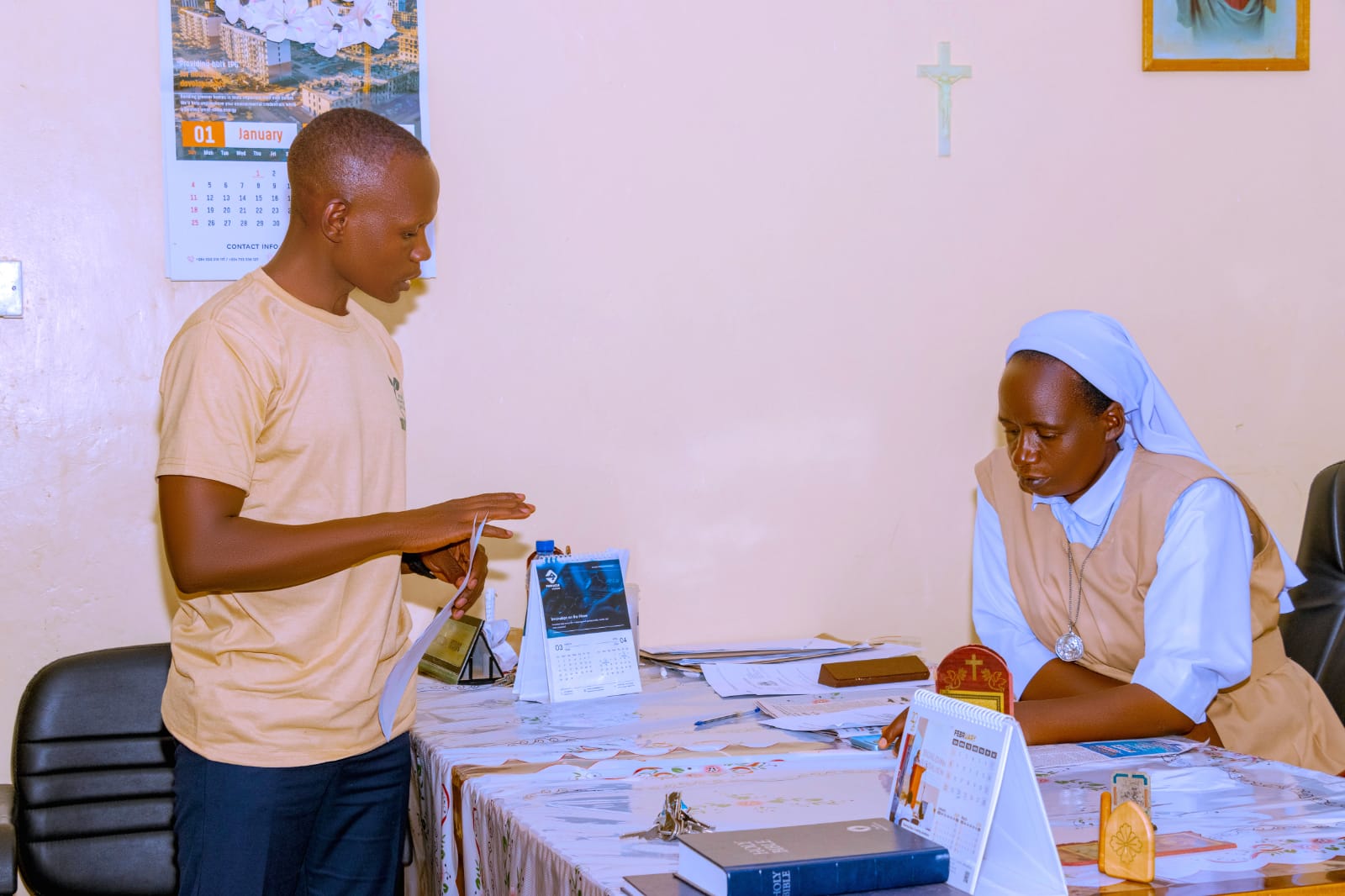
Environmental degradation and food insecurity are two of the greatest challenges facing our communities today. Through the SONCA Project, we are taking direct action by partnering with Kenyan schools to plant fruit-bearing trees. This initiative creates a sustainable, dual-impact ecosystem: it actively restores local environments while providing fresh, nutritious food directly to school children who need it most.
When you choose to adopt a tree, you aren’t just funding a planting you are investing in a community’s future. Your support enables us to cultivate the land, educate young students on environmental stewardship, and track tangible growth. Together, we can fight climate change, champion food security, and leave a flourishing, lasting legacy for generations to come.
Beyond the immediate environmental and nutritional benefits, this program fosters a deep sense of ownership and responsibility among the youth. By actively participating in the care and maintenance of these school orchards, students develop practical agricultural skills and an enduring respect for nature. As these trees mature, they create shaded green spaces for learning, improve local air quality, and establish a reliable, self-sustaining food source that will support the school infrastructure for decades to come.